
Classic Kipper Cards · Card guide
All 36 Kipper Cards: card meanings
Open any card for its traditional scene, central meaning, demanding side, and practical contexts. Historical titles remain visible while modern readings treat rank and gender as roles rather than fixed identities.
How to read Kipper Cards
Kipper Cards tell concrete social stories through people, roles, encounters, institutions, homes, work, money, and everyday events. A person card identifies who acts or is affected; an event card shows what happens; a place card establishes where the scene unfolds.
A single card names one role or situation. Greater precision comes from order, immediate neighbors, direction in the layout, and the fixed Kipper Houses of a Grand Tableau. The cards stay upright; challenging meanings come from context rather than tarot reversals.
Cards 1–12
12 cards
1 · Main Person, Male
- significator
- agency
- central role

2 · Main Person, Female
- significator
- perspective
- participation

3 · Marriage Card
- union
- agreement
- partnership

4 · Meeting
- encounter
- conversation
- invitation

5 · Good Lord
- maturity
- guidance
- reliability

6 · Good Lady
- wisdom
- care
- discernment

7 · Pleasant Letter
- good news
- message
- document

8 · False Person
- discernment
- hidden agenda
- inconsistency

9 · A Change
- transition
- adjustment
- movement

10 · A Journey
- travel
- distance
- departure

11 · Winning Much Money
- windfall
- major gain
- financial opportunity

12 · Rich Girl
- privilege
- youthful woman
- cultivation
Cards 13–24
12 cards
13 · Rich Good Lord
- wealthy man
- resources
- patronage

14 · Sad News
- difficult message
- disappointment
- unwelcome fact

15 · Good Outcome in Love
- loving outcome
- mutual affection
- reconciliation

16 · His Thoughts
- thoughts
- intention
- private reflection

17 · Getting a Gift
- gift
- generosity
- support
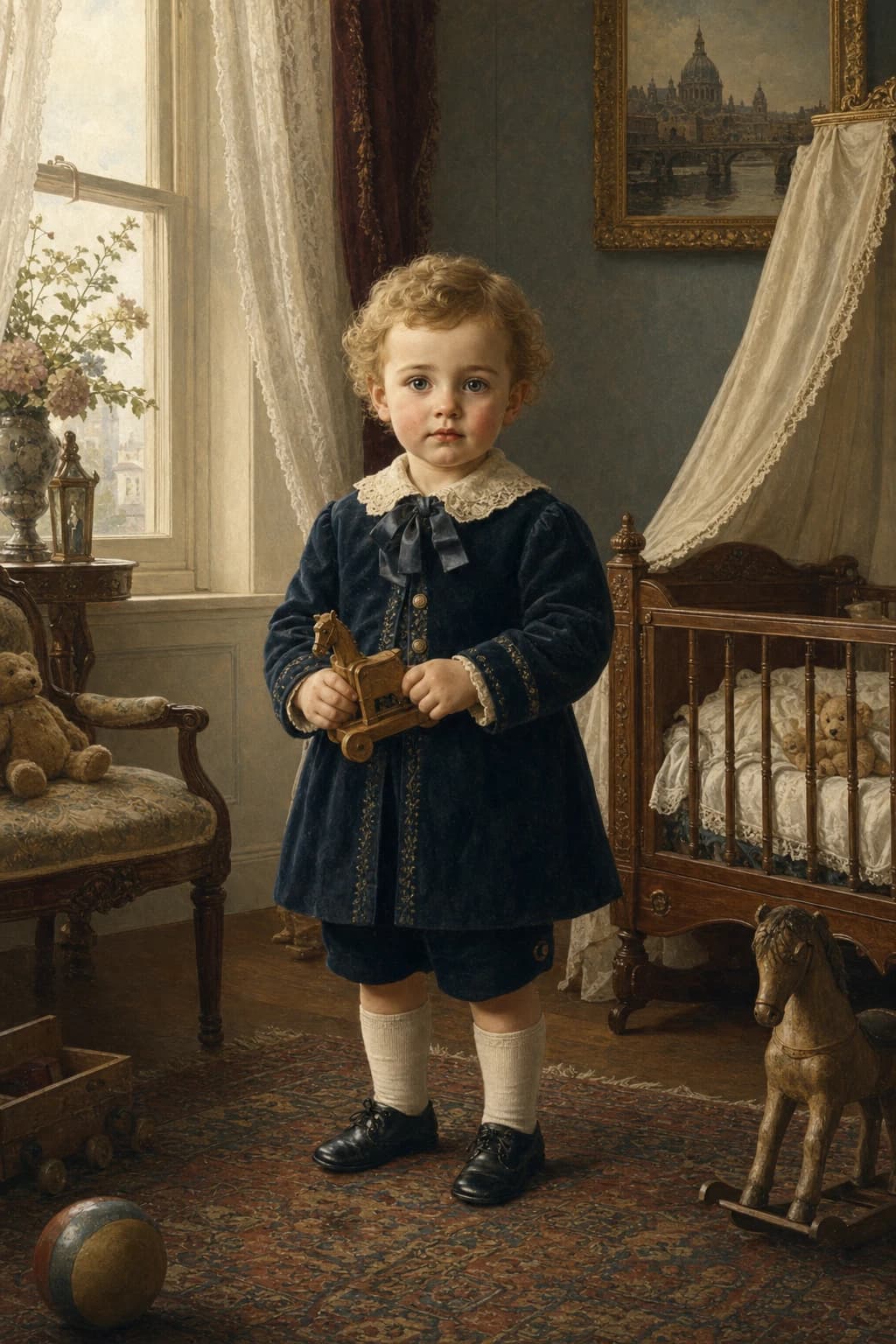
18 · A Small Child
- child
- beginning
- innocence

19 · A Death
- ending
- bereavement
- closure

20 · House
- home
- property
- household

21 · Living Room
- private room
- familiar circle
- domestic conversation

22 · Military Person
- discipline
- duty
- official role
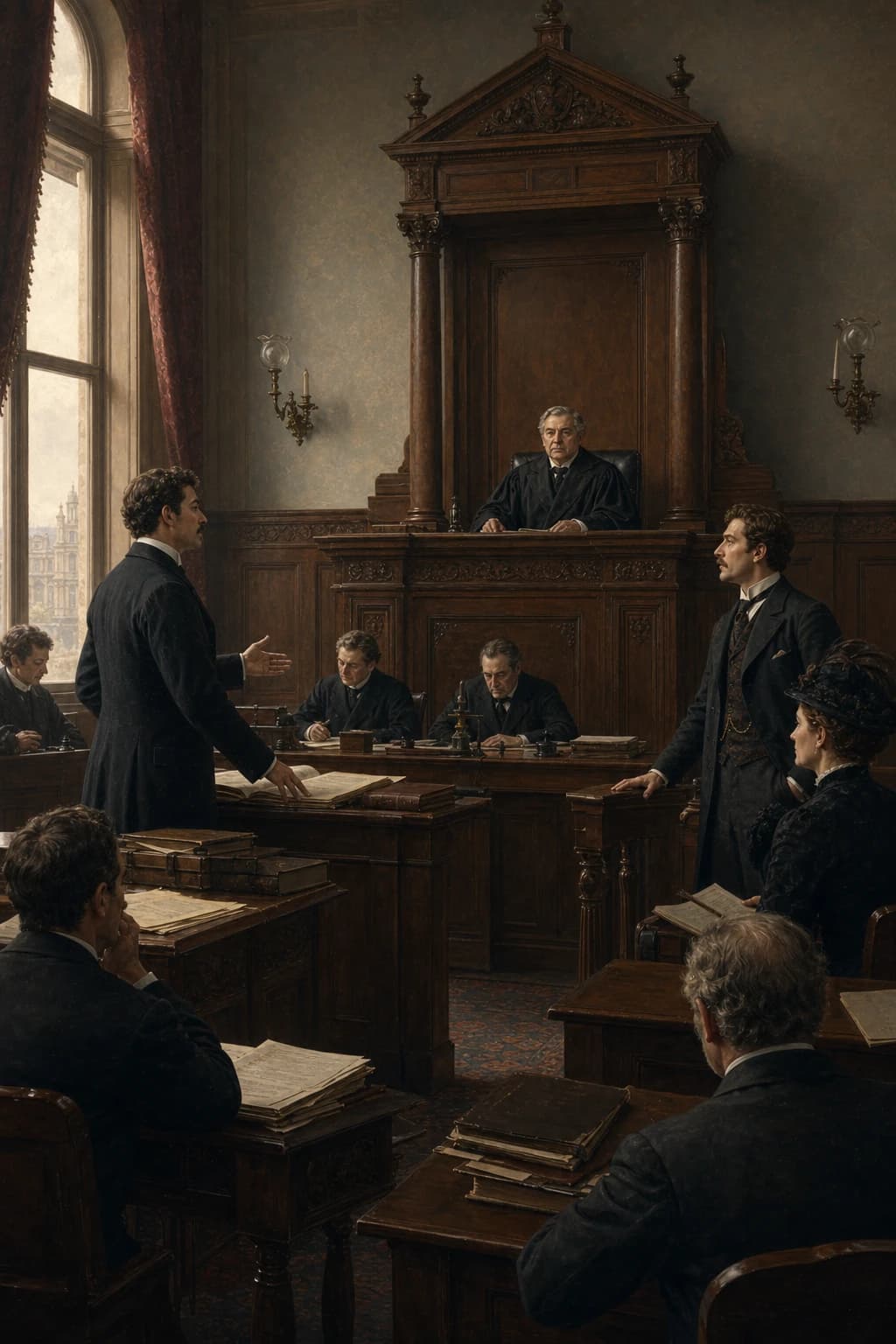
23 · Court
- legal process
- hearing
- formal judgment

24 · Theft
- loss
- unauthorized taking
- misuse
Cards 25–36
12 cards
25 · Coming to High Honour
- recognition
- promotion
- honour

26 · Great Luck
- great fortune
- favorable turn
- expansion

27 · Unexpected Money
- unexpected funds
- refund
- small windfall

28 · Expectation
- waiting
- anticipation
- observation

29 · Prison
- restriction
- confinement
- limits

30 · Magistrate
- official decision
- evaluation
- authority

31 · Short Illness
- temporary illness
- recovery
- fatigue

32 · Grief and Adversity
- grief
- hardship
- emotional burden

33 · Cloudy Thoughts
- confusion
- worry
- uncertainty

34 · Work, Occupation
- work
- occupation
- skill

35 · A Long Road
- long process
- endurance
- pathway

36 · Hope, Great Water
- hope
- distant horizon
- wide perspective
Understand Kipper Cards as a system
The cards offer a perspective, not a fixed prediction.
Frequently asked questions about Kipper Cards
- How many Kipper cards are in the classic deck?
- The classic deck has 36 numbered cards. This guide follows that sequence and does not add later cards numbered 37 to 39.
- Must I choose a main person by gender?
- No. Main Person, Male and Main Person, Female are historical role images. Choose the one that best represents the viewpoint in the question, or use both for two central participants.
- Are Kipper cards read reversed?
- Usually not. This guide keeps every card upright and explains its central and demanding expressions through question, role, order, neighbors, and the wider scene.